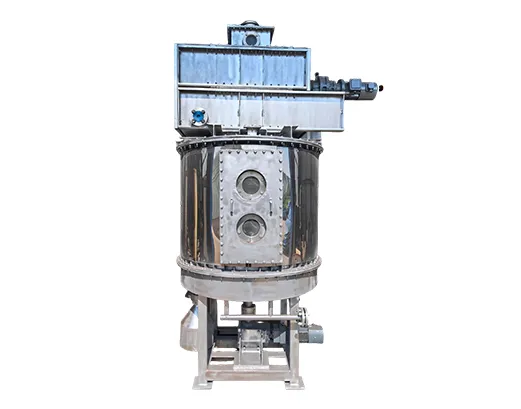
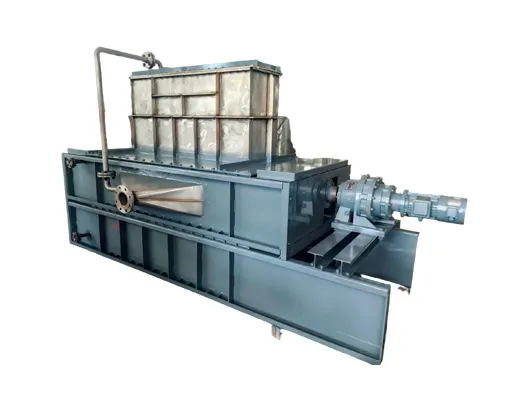
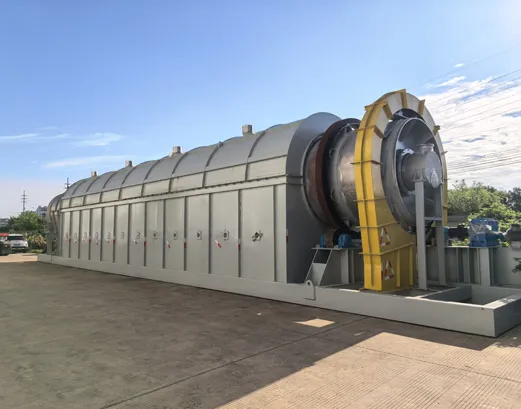
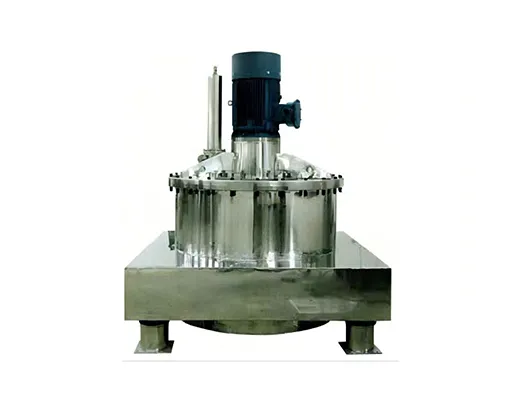
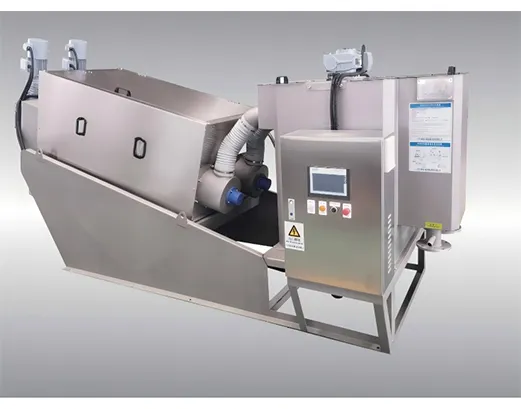
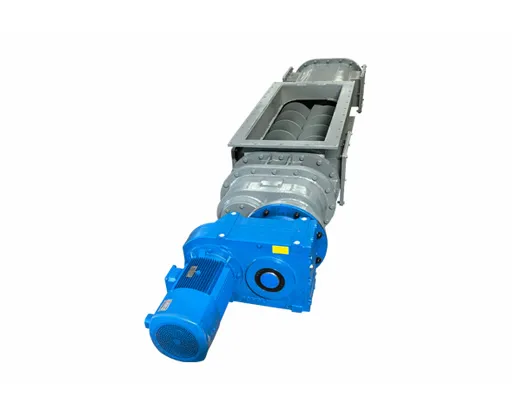
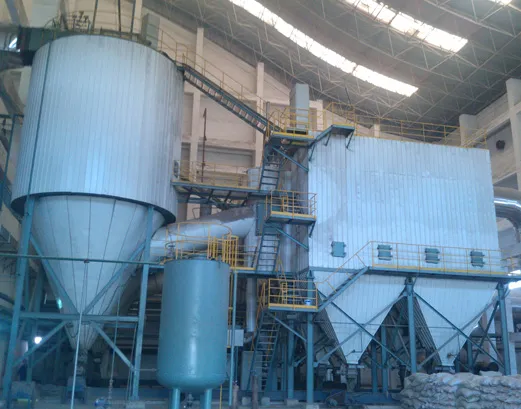
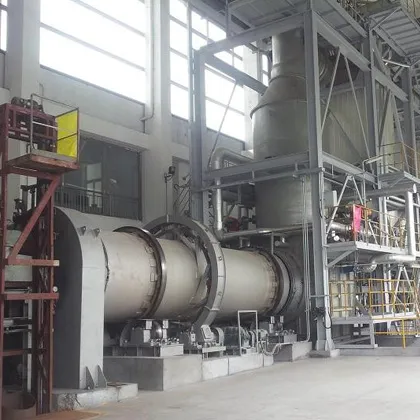
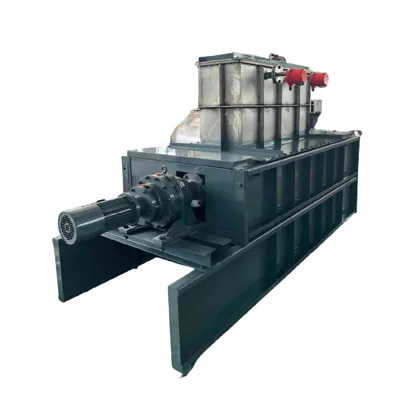
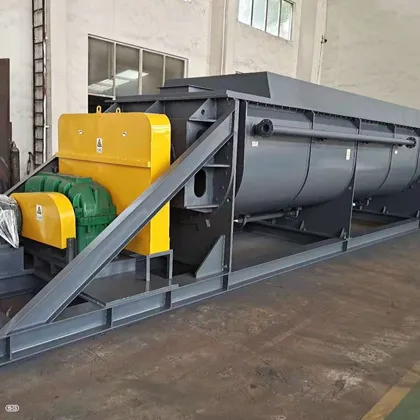
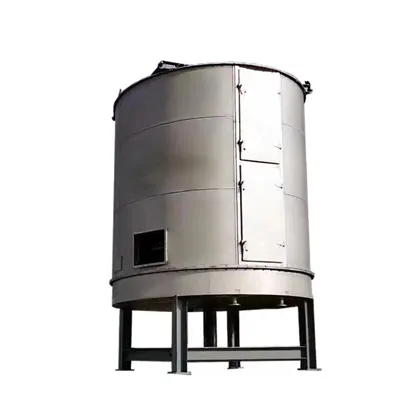
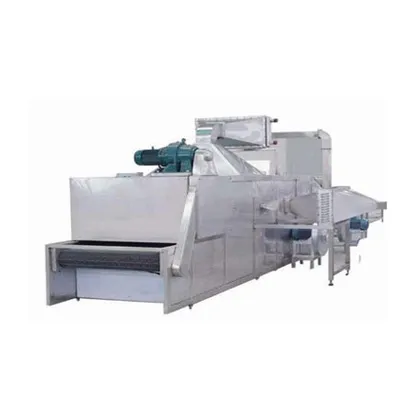
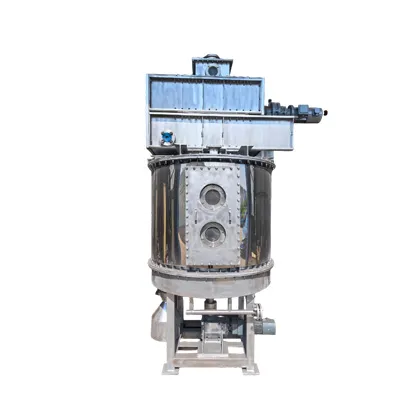
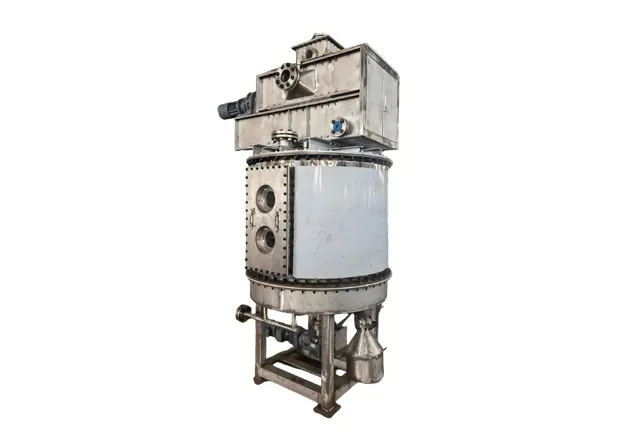
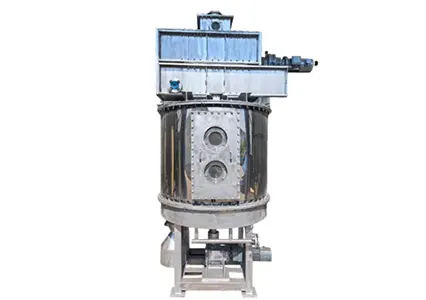
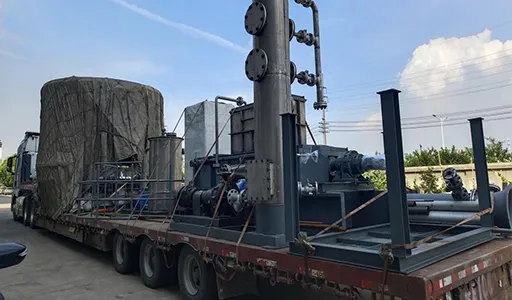
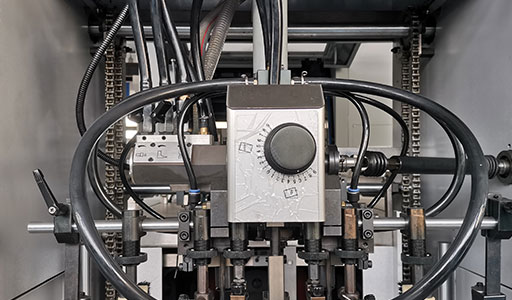
A thin film dryer is a continuous industrial dryer that spreads wet, viscous materials into a thin layer on a heated surface, evaporating moisture through indirect heat transfer. It excels at drying high-moisture, high-viscosity, or heat-sensitive materials—including sludge, chemical slurries, and pharmaceutical intermediates. The Xinsheng thin film dryer combines a granulator and a vertical disc dryer into a single continuous system, producing stable "popcorn" pellets that are safe, dust-free, and easy to handle downstream.
This guide explains exactly how a thin film dryer works and outlines the key scenarios where it outperforms alternatives such as paddle dryers, spray dryers, and flash dryers.
What Is a Thin Film Dryer?
A thin film dryer is a continuous, indirect-contact drying system that removes moisture from wet solids, slurries, pastes, and high-viscosity liquids by spreading the feed into a thin film on a heated wall and evaporating water or solvent without direct exposure to hot air. Because the heating medium (steam, thermal oil, or hot water) never contacts the product directly, the system is classified as an indirect dryer—making it intrinsically safer and more suitable for heat-sensitive or flammable materials.
The term "agitated thin film dryer" (ATFD) reflects the mechanical agitation that keeps the film continuously moving, preventing fouling and ensuring uniform heat exposure across the entire heated surface.
The Xinsheng thin film dryer takes this a step further by integrating a granulator stage before the vertical disc dryer, converting high-moisture feed into stable granules before final drying.
Thin film dryers are available in two geometric configurations:
vertical (product flows downward by gravity);
vapors flow counter-currently upward) and horizontal (product is conveyed along the length of the shell by angled blades).
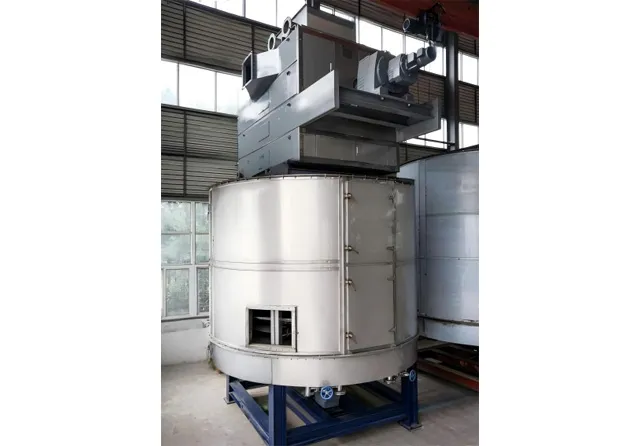
How a Thin Film Dryer Works: Step-by-Step
A thin film dryer converts wet feed into dry product through five sequential stages.
Step 1 — Feed Introduction
Wet feed material (which may be a slurry, paste, concentrated solution, or sludge with a moisture content up to 80–90%) enters the system at the top of the dryer through a feed inlet with a specifically designed distributor. The distributor spreads the incoming material evenly around the full circumference of the heated inner wall, ensuring no section of the heating surface is left dry or overloaded.
Step 2 — Thin Film Formation via Rotor Blades
Inside the dryer, a central rotor shaft is fitted with rows of hinged pendulum blades that span the full length of the cylinder. As the rotor turns, these blades continuously spread the feed into a thin, uniform film—typically 1 to 3 mm thick—against the inner surface of the heated jacket. The blade-to-wall clearance is precisely engineered: close enough to prevent product fouling on the heated surface, but never in direct contact with the wall. In the design of the China drying equipment, this means nearly zero blade wear because the mud and sand particles in sludge automatically isolate the blade edge, and sliding friction is converted to rolling friction.
Step 3 — Indirect Heat Transfer and Evaporation
The outer jacket of the dryer shell is heated by steam, thermal oil, or pressurized hot water circulating through it. Heat conducts from the jacket through the metal wall into the thin product film, raising the film temperature until moisture or solvent evaporates. Because the film is extremely thin, the thermal path from the wall to the exposed product surface is very short—this is why thin film drying achieves heat transfer rates significantly higher than thick-bed alternatives. According to Xinsheng's engineering data, heat consumption in ATFD systems is 60–70% of that required by comparable paddle or rotary drum dryers processing the same feed.
Step 4 — Vapor Removal
As moisture evaporates from the product film, vapor rises counter-currently upward through the dryer shell (in vertical configurations) and exits through a vapor outlet at the top. The vapor stream is routed to a condenser for solvent recovery or water condensation. In sludge-drying applications, the vapor may also pass through an odor-control unit before final discharge. The airflow inside the dryer is minimal—typically 20 to 200 cubic feet per minute—which keeps dust generation low and reduces the size of downstream air-treatment equipment compared to direct convective dryers.
Step 5 — Dry Product Discharge
As material travels down the length of the dryer (driven by gravity in vertical units), it progresses through distinct phase transitions:
liquid → slurry → paste → wet powder → dry solid.
The hinged blades continuously break up clumps and renew the film surface throughout this transition. Dried product discharges continuously at the bottom through a rotary valve or spherical disc valve into a collection bin or conveyor. In the Xinsheng system, the granulator stage upstream produces characteristic "popcorn" pellets—a low-dust, non-explosive particle morphology—before the rotary disc dryer completes final drying.
Key Advantages of Thin Film Dryers
1. High Heat Transfer Efficiency
The thin film structure increases the heat transfer coefficient up to 3–5 times higher than traditional drying systems.
2. Short Residence Time
Processing time is reduced to seconds or minutes, preventing thermal damage.
3. Energy Saving
Energy consumption can be reduced by 30–60% compared with conventional hot-air drying systems.
4. Compact Design
Smaller footprint compared to large rotary or belt dryers.
5. Wide Material Adaptability
Especially effective for:
Thin Film Dryer vs Other Drying Equipment
Feature | Thin Film Dryer | Rotary Dryer | Vacuum Paddle Dryer |
Heat Transfer Mode | Indirect heating | Direct heating | Indirect heating |
Residence Time | 30 sec – 5 min | 20–60 min | 30–120 min |
Energy Efficiency | High (30–60% better efficiency) | Medium | High |
Suitable Materials | Viscous, heat-sensitive | Granular, solid | Paste, slurry |
Risk of Overheating | Very low | Medium | Low |
Maintenance | Moderate | High | Moderate |
Compared with conventional dryers, a thin film dryer significantly reduces thermal degradation and improves product quality consistency.
What Industries Use Thin Film Dryers?
Thin film dryers are widely used wherever viscous, sticky, or heat-sensitive materials need fast and efficient drying. Key industries include:
Wastewater & Sludge Treatment – Reduce sludge moisture from 80% to 10–40%, lower disposal costs, and enable resource recovery.
Chemical & Petrochemical – Dry slurries, catalysts, dyes, and polymers without fouling or thermal degradation.
Pharmaceutical & Biotechnology – Handle fermentation broths, API intermediates, and microbial biomass safely and gently.
Food Processing – Dry high-viscosity concentrates, dairy by-products, and yeast extracts while preserving quality.
New Energy Materials – Process lithium battery precursors and other sensitive energy compounds with precise moisture control.
Petrochemical & Oil Industry – Continuous drying of oil sludge and viscous residues with low dust and minimal maintenance.
Each system from Special Dryer can be customized to your material and industry needs.
FAQ
1. What is a thin film dryer used for?
It is used to dry sticky, viscous, heat-sensitive, or sludge-like materials by spreading them into a thin layer for fast indirect evaporation.
2. How does a thin film dryer work?
A rotor or agitator spreads the feed into a thin film on a heated surface, and moisture evaporates while the continuously moving material prevents buildup.
3. What is a thin film sludge dryer?
A thin film sludge dryer is a version of thin film drying equipment designed specifically for wastewater sludge and similar high-moisture waste streams.
Conclusion
A thin film dryer is one of the most efficient solutions for drying viscous, sticky, or heat-sensitive materials in modern industry.
With its compact design, high heat transfer efficiency, and strong adaptability, it has become a key technology in chemical, pharmaceutical, and environmental applications.
Xinsheng provides reliable and customized thin film drying systems to help industries improve efficiency, reduce energy consumption, and optimize production processes.
 English