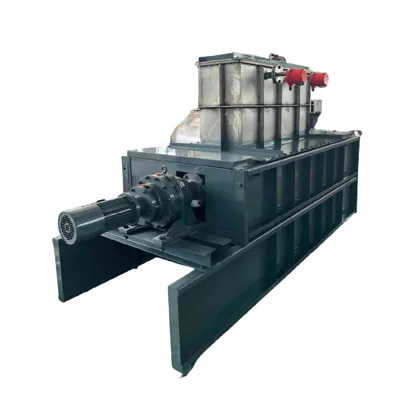
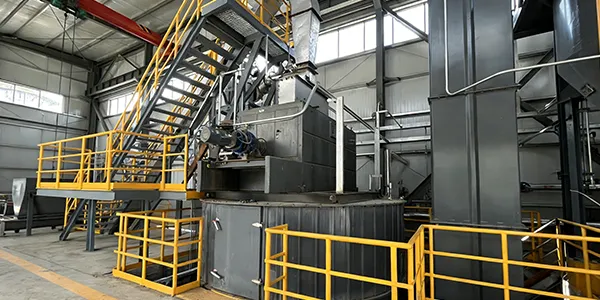
With accelerating urbanization, the composition of solid waste is becoming increasingly complex, and its volume continues to rise, making its treatment a global environmental challenge. Traditional methods like landfilling and incineration are gradually being replaced by more advanced and environmentally friendly pathways focused on resource recovery and energy conversion. In this systemic transformation, drying, as a core pre-treatment step, plays a decisive role in enhancing resource recovery rates, improving combustion performance, and reducing final disposal costs. Leveraging its complete line of drying equipment, Xinsheng provides modular, customized key technology solutions for the efficient and clean conversion of various types of solid waste.
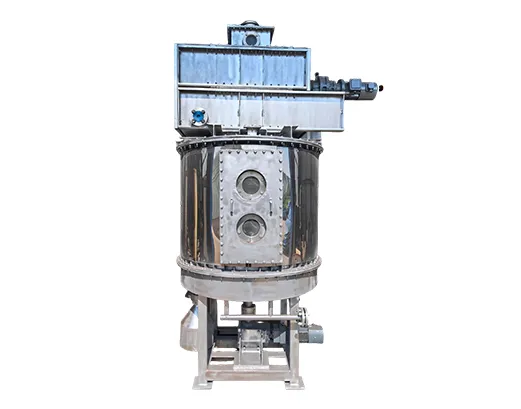
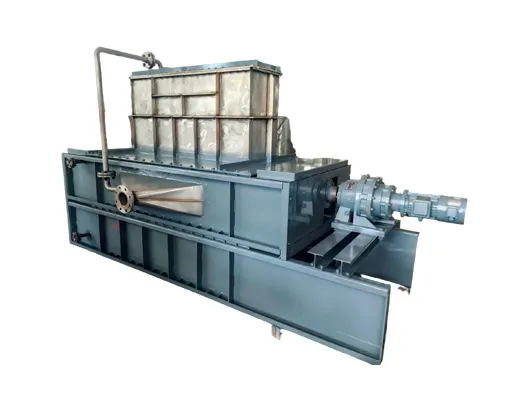
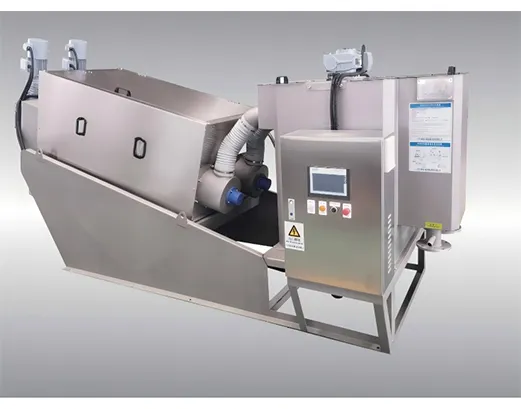
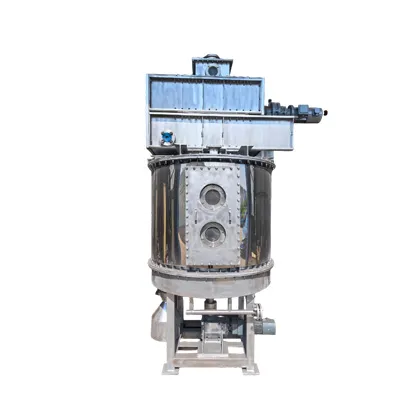
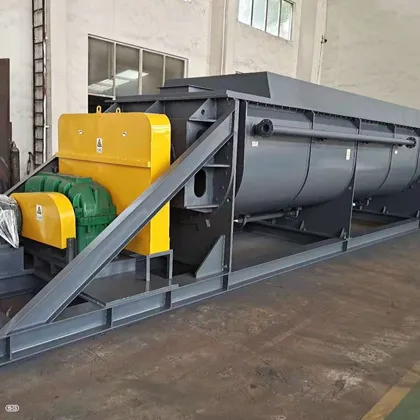
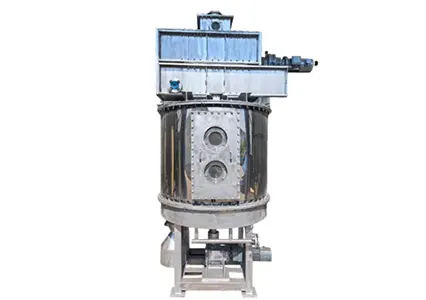
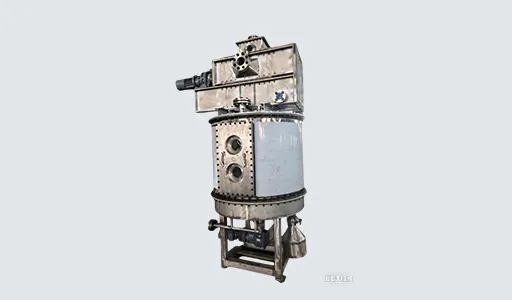
In the resource-oriented treatment of organic solid waste from industrial and municipal sources, Paddle Dryers and Disc Dryers play pivotal roles. Their powerful mixing, agitation, and stable conductive heating capabilities make them particularly suitable for handling high-moisture, high-viscosity organic waste, such as dewatered sludge from wastewater treatment plants, food industry residues, and brewery spent grains. Through precise temperature control and residence time management, they not only achieve efficient dewatering and significant volume reduction (typically 60%-80%) but also effectively eliminate pathogens, creating optimal conditions for subsequent anaerobic digestion to produce biogas or aerobic composting to create organic fertilizer.
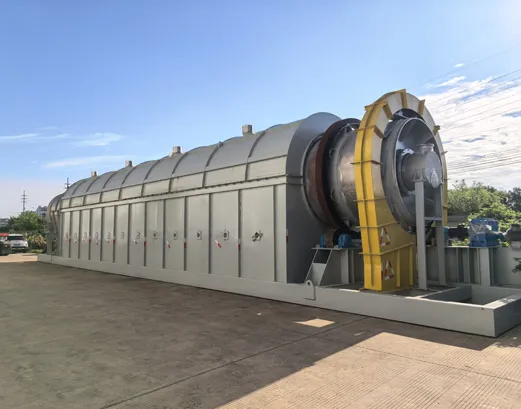
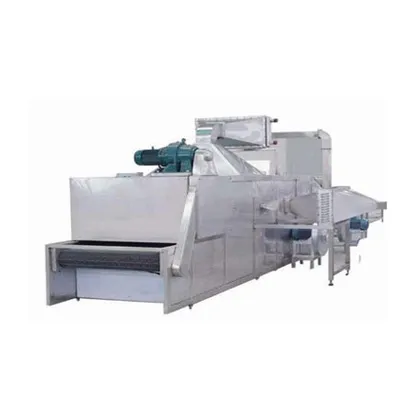
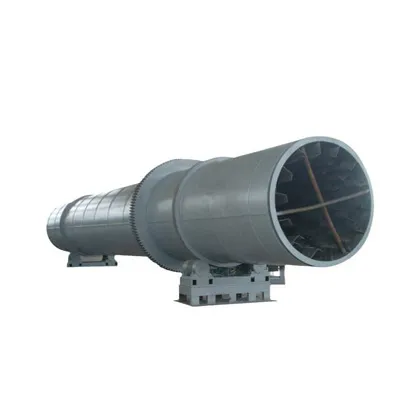
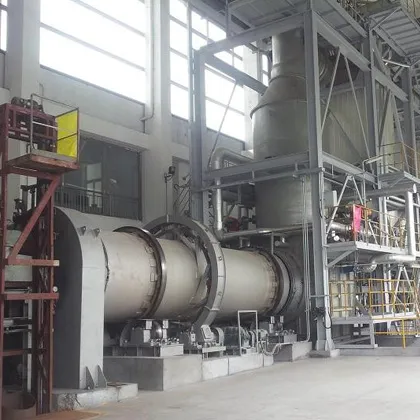
For the production of refuse-derived fuel from mixed municipal solid waste with high calorific value, Belt Dryers and Drum Dryers are reliable choices for large-scale, continuous operation. They can adapt to the irregular material forms of shredded RDF, achieving uniform through-air drying to stabilize moisture content below 15%, thereby significantly increasing its calorific value per unit. This ensures stable and efficient energy recovery in subsequent processes in cement kilns or dedicated incinerators, reducing fossil fuel consumption.
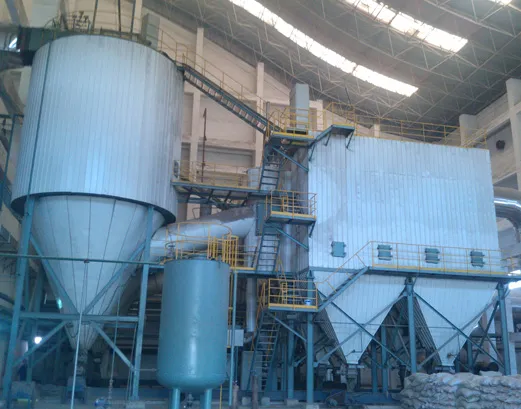
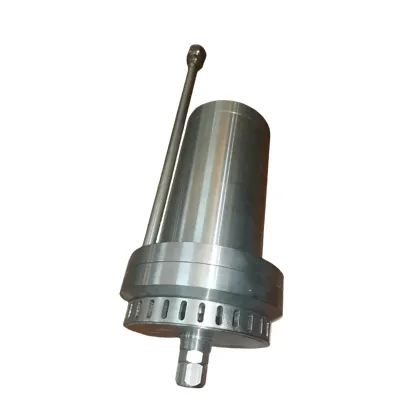
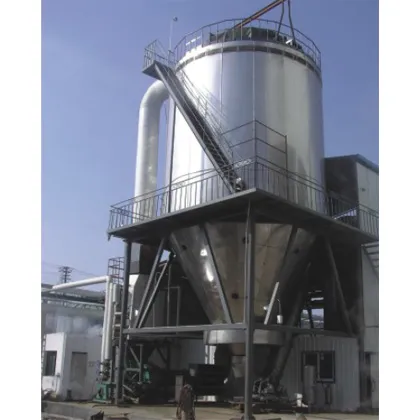
In the specialized fields of hazardous waste treatment and high-value resource recovery, Thin Film Dryers and Spray Dryers demonstrate unique advantages. The Thin Film Dryer, with its extremely short material residence time, high heat transfer efficiency, and excellent self-cleaning capability, can safely process industrial waste liquids and filter cakes containing solvents, heavy metals, or other complex components, achieving low-emission concentration and solidification. The Spray Dryer, equipped with a high-precision Magnetic Atomizer, can transform liquid or slurry-based inorganic hazardous waste into stable, free-flowing fine powder in a single step—such as slurries from neutralized waste acid containing heavy metals—greatly facilitating subsequent safe landfilling or use as raw material in construction products.
Furthermore, for loose materials like agricultural and forestry biomass, the Flash Dryer demonstrates significant advantages of low energy consumption and high efficiency in the pre-treatment stage for producing biomass pellet fuel.
Xinsheng deeply understands that solid waste is not an "end-of-pipe burden" but a misplaced "urban resource." Our drying equipment is no longer isolated units but intelligent modules deeply integrated into our clients' overall solid waste treatment process chains. From wet waste after source separation to organic industrial residues and complex components within recycling systems, Xinsheng is committed to unlocking the "final mile" of value regeneration for each type of solid waste through the most suitable drying technology, helping to build more efficient, cleaner, and more sustainable circular economy systems.
 English