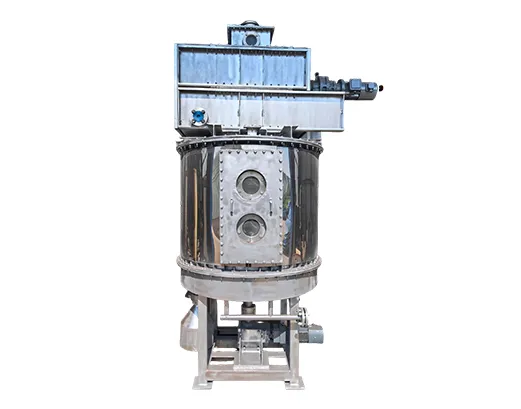
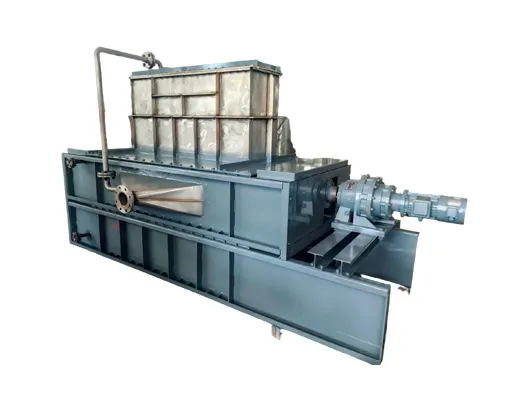
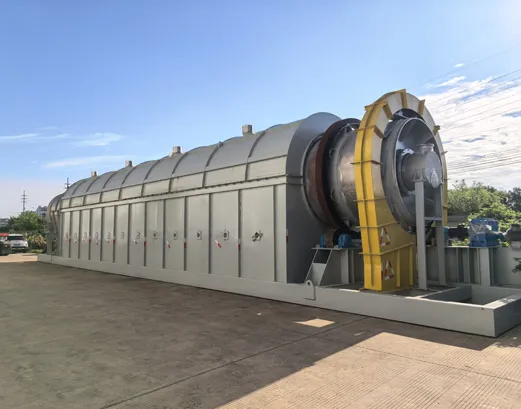
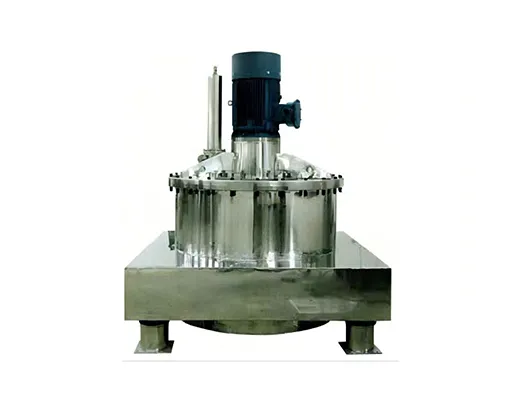
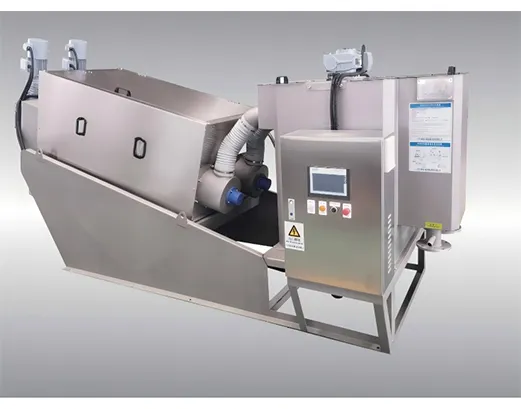
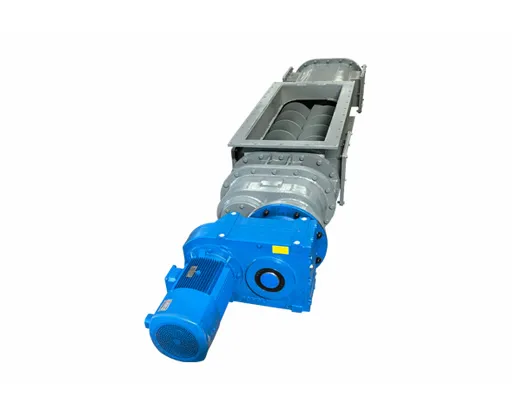
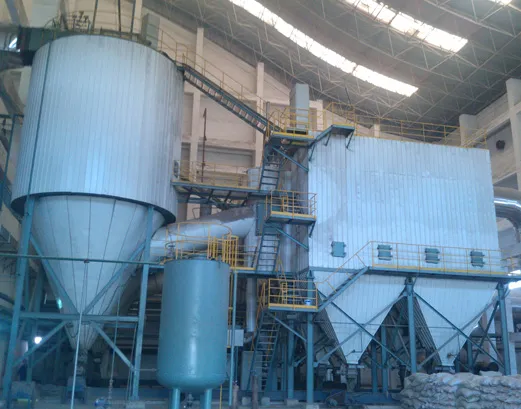
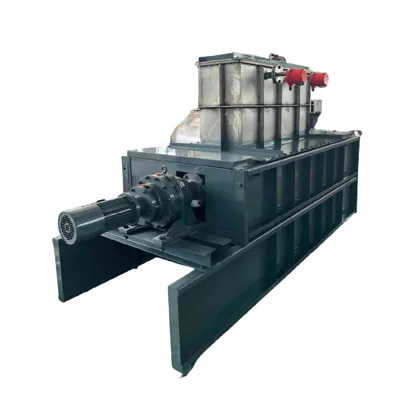
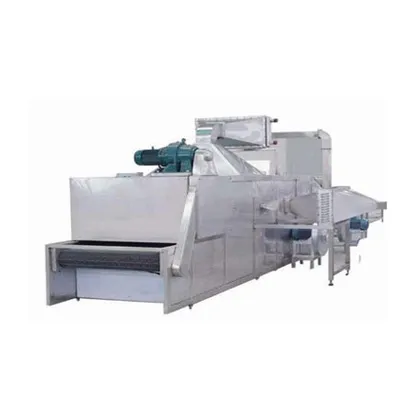
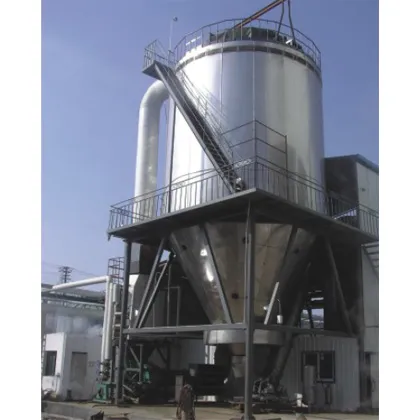
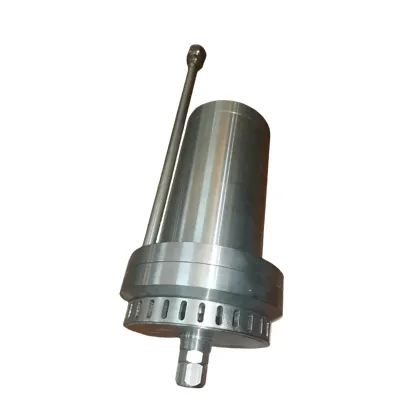
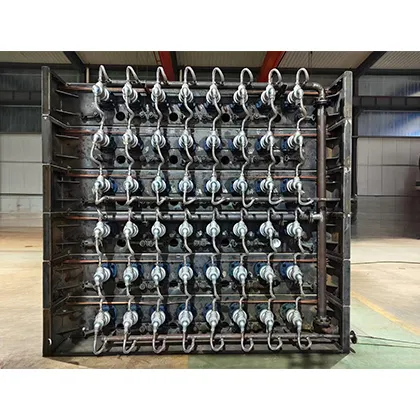
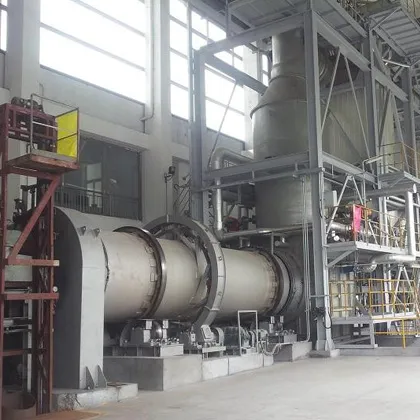
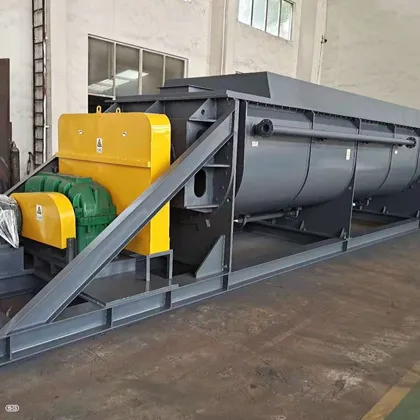
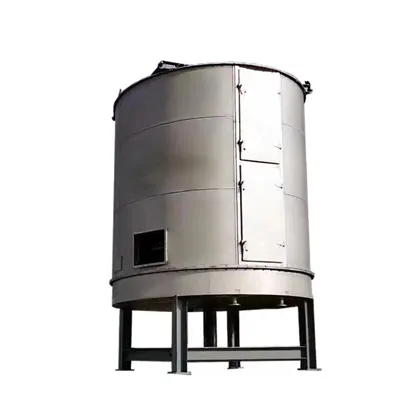
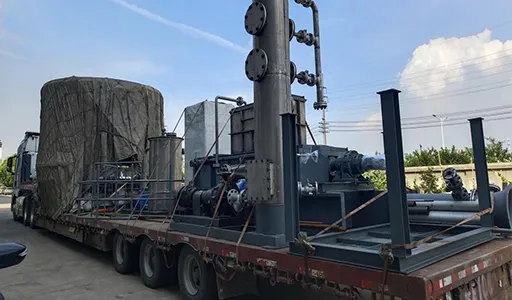
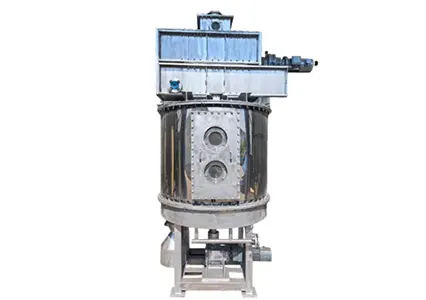
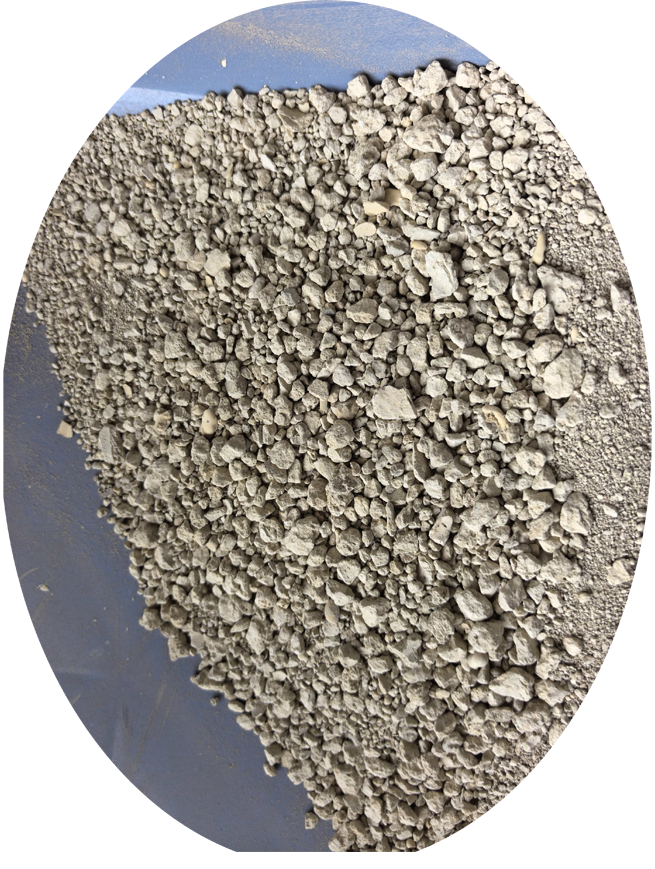
With the rapid development of the new energy industry, the requirements for drying equipment for new energy materials are becoming increasingly stringent. A recent verification test of a customized lithium iron phosphate drying process for a domestic new energy company was conducted in the pilot workshop of Jingjiang Xinsheng Environmental Protection Technology Co., Ltd. This is another practical application of thin-film granulation drying equipment in overcoming the pain points of drying new energy materials.
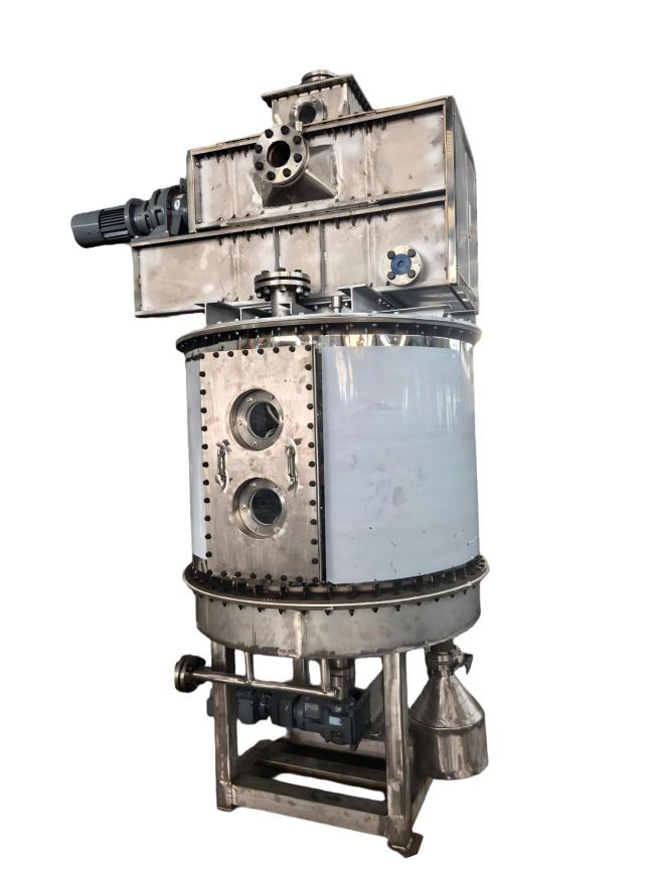
Addressing the characteristics of lithium iron phosphate materials—their hygroscopicity and susceptibility to oxidation at high temperatures—the thin film sludge dryer underwent specific technical optimizations:
1. It innovatively integrates vacuum low-temperature drying technology with thin-film granulation technology, enabling granulation and drying to be completed in a mild environment of 50-60℃. This effectively avoids the destruction of the crystal structure of lithium iron phosphate due to high temperatures, ensuring the stability of the material's electrochemical performance.
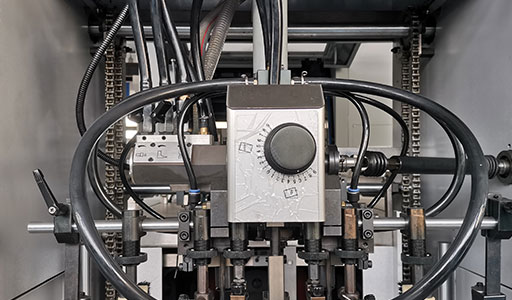
2. During the test, key data such as temperature curves and moisture changes were recorded in real time. Parameters were optimized in collaboration with the client. Simultaneously, engineers precisely set the temperature, vacuum level, and drying time through the control system, accurately controlling the final moisture content of the material to below 0.1%, far exceeding industry standards and laying a solid foundation for subsequent electrode fabrication.
In addition to lithium iron phosphate, the equipment can also be adapted to the material processing needs of various fields such as kitchen waste, biogas residue, food additives, biopharmaceuticals, and fine chemicals through parameter adjustment. Moreover, it has become the first choice in the drying industry due to its excellent low energy consumption, no wear and tear, and no maintenance.

 English