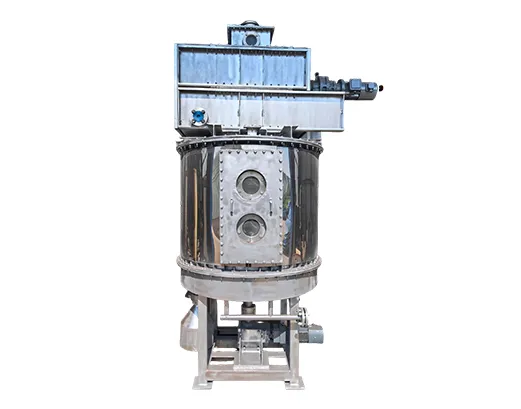
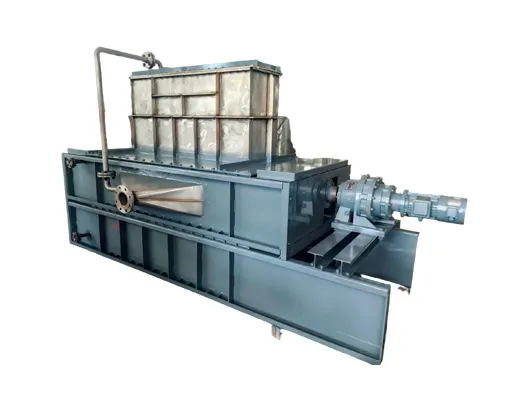
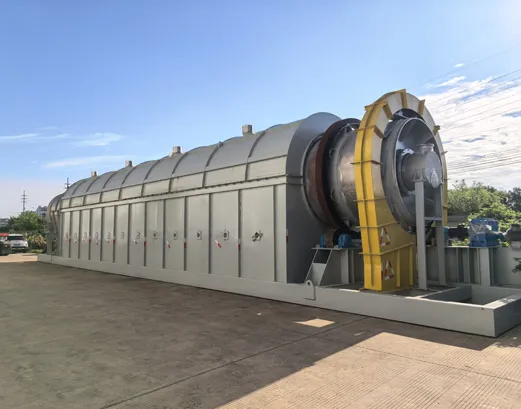
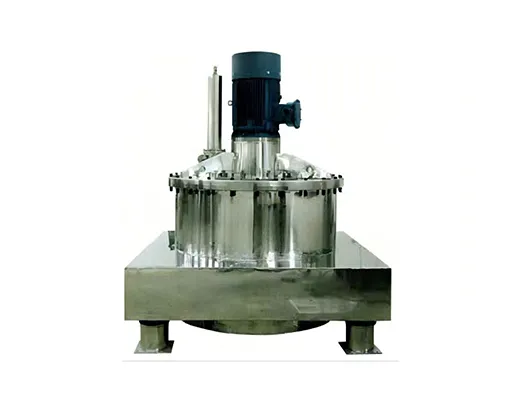
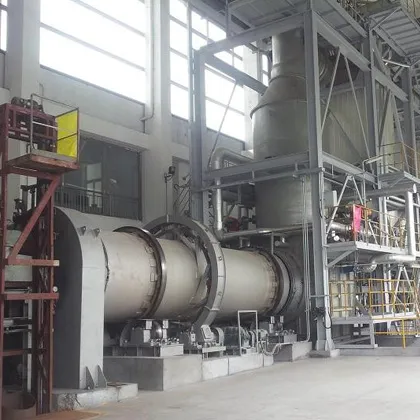
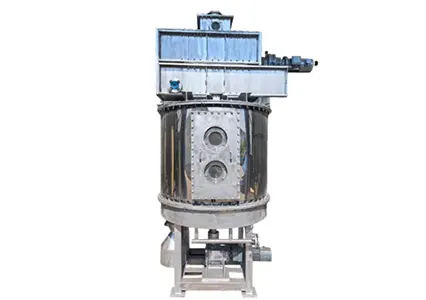
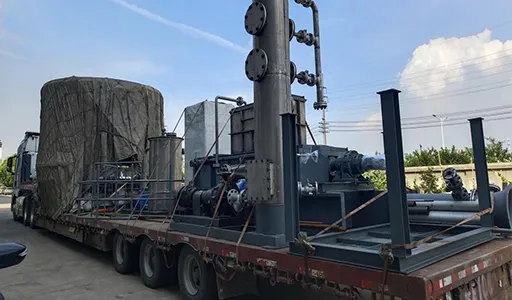
A roasting furnace operates by exposing materials to controlled high temperatures in an oxidative or reducing atmosphere, driving specific chemical and physical transformations.
The core principle involves the direct or indirect application of thermal energy, typically via convection and radiation, to induce reactions such as the removal of volatile components (e.g., sulfur, carbon, arsenic) or the conversion of metal compounds (e.g., sulfides to oxides).
Heated gases or furnace walls transfer heat to the solid charge, facilitating decomposition, oxidation, or calcination.
This pretreatment is crucial in metallurgy for enhancing mineral liberation and downstream metal recovery efficiency.
 English