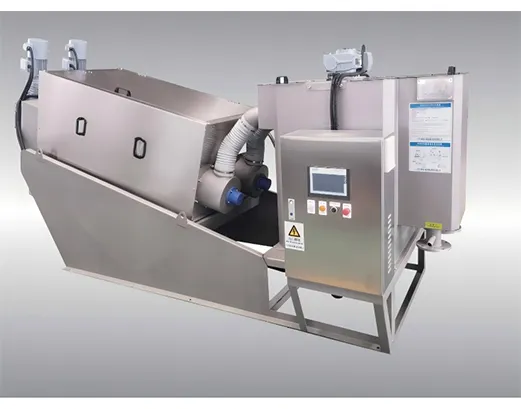
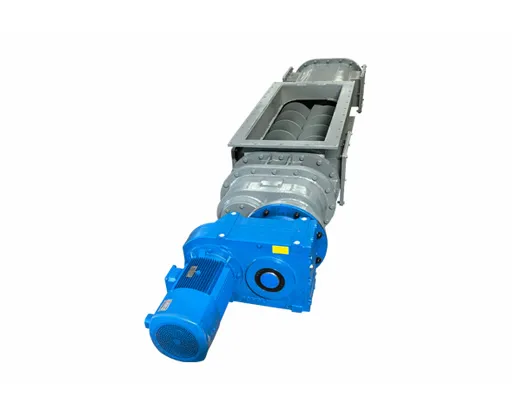
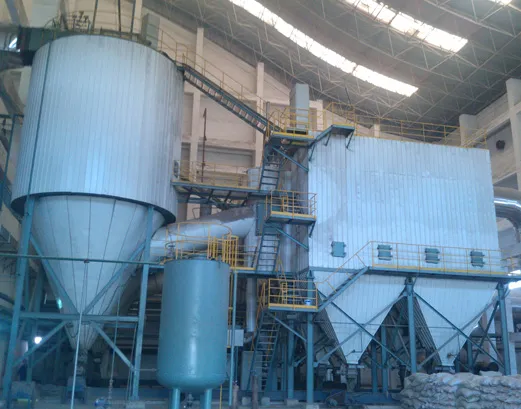

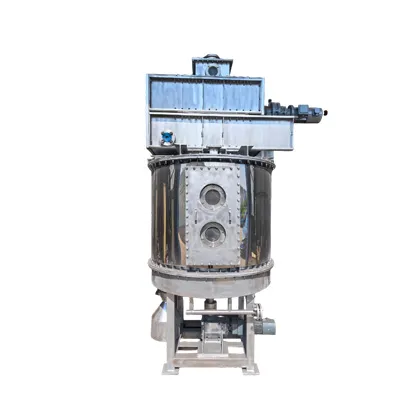



Industrial dryers remove moisture by applying thermal energy. Their core principle involves transferring heat to materials via conduction, convection, or radiation, converting liquid content into vapor for removal. Key types include:
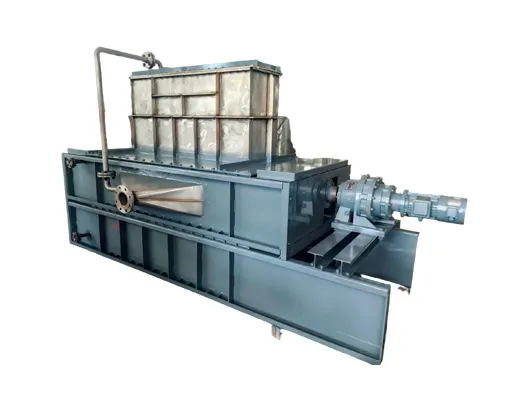
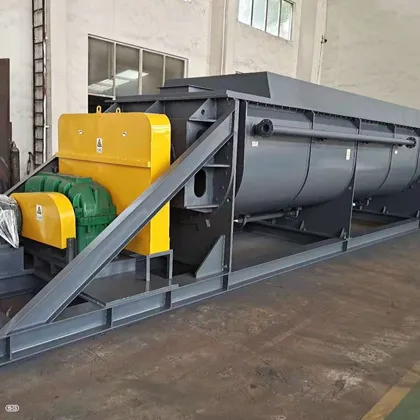
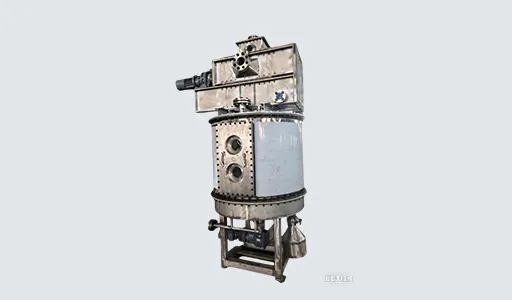
Thin Film and Paddle Dryers for conductive drying of viscous pastes;
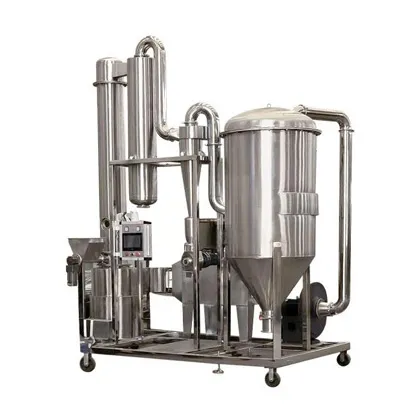
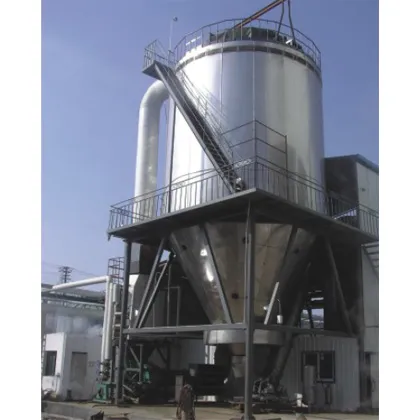
Spray Dryers for instant convective powder production from liquids;
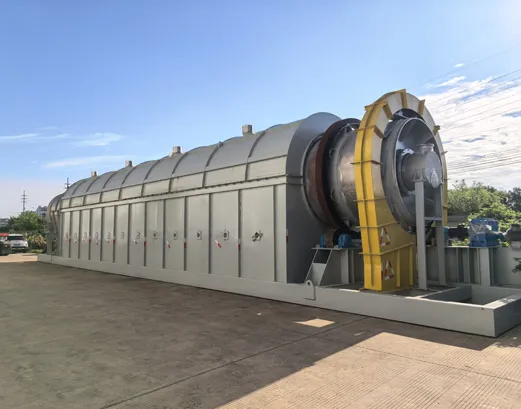
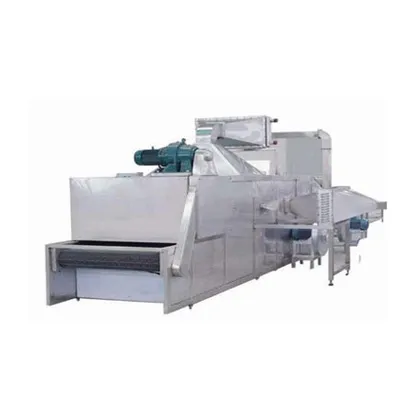
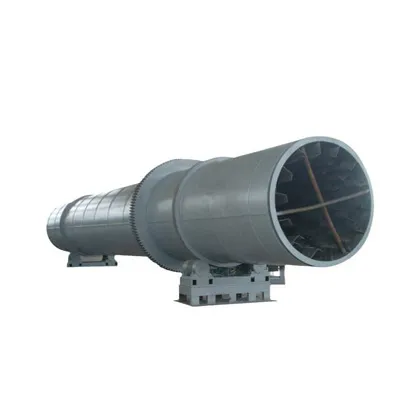
Belt or Drum Dryers for continuous processing of solids or slurries.
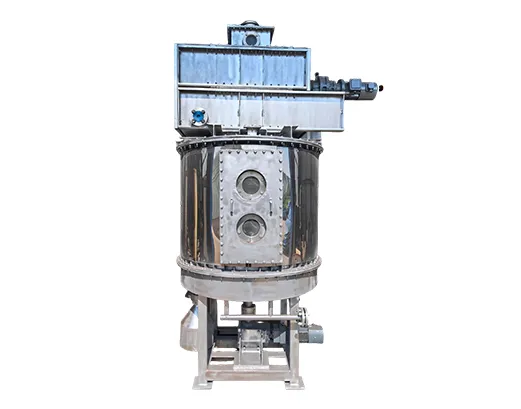
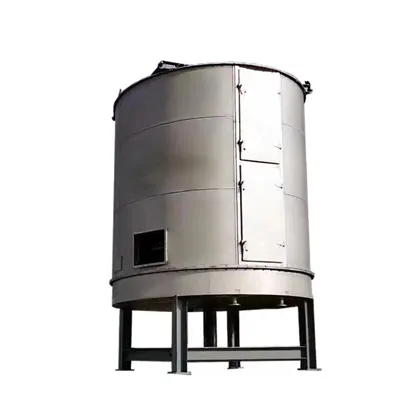
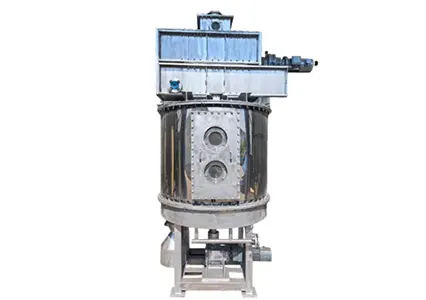
Equipment like Disc or Vacuum Dryers offer gentle, indirect heating for sensitive products.
The design ensures efficient evaporation, uniform product quality, and adaptability to diverse materials from nano-powders to bulky granules.
In industrial drying, the choice between a Thin Film, Spray, and Drum Dryer hinges on material properties and desired output.
The Thin Film Dryer excels with viscous, heat-sensitive feeds, using a heated surface to swiftly evaporate moisture under potential vacuum, yielding flakes or paste.
In contrast, the Spray Dryer atomizes pumpable liquids into a hot air stream for instantaneous convective drying, directly producing free-flowing spherical powder.
The Drum Dryer, a robust and energy-efficient option for coatable slurries, employs rotating heated drums to form and dry a film into solid flakes.
Each technology offers a distinct path from feed to product, balancing thermal sensitivity, particle design, and operational efficiency.