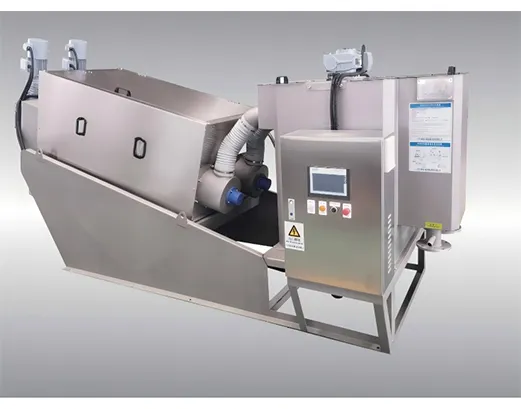
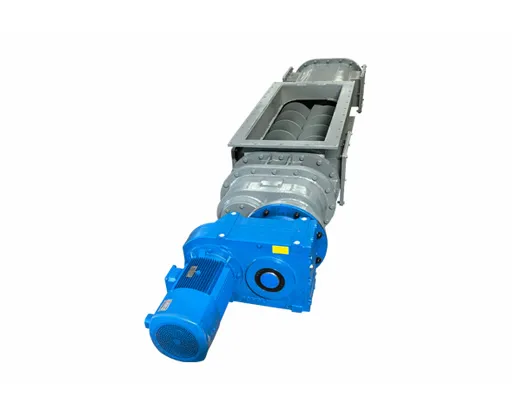
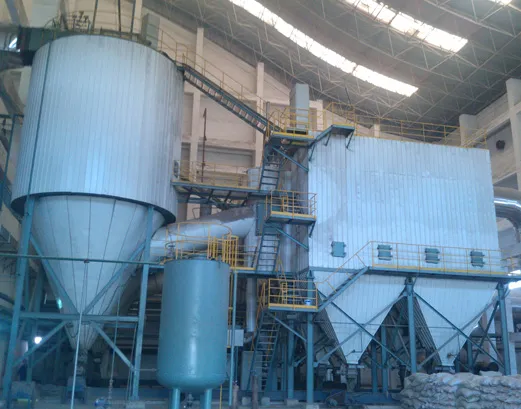
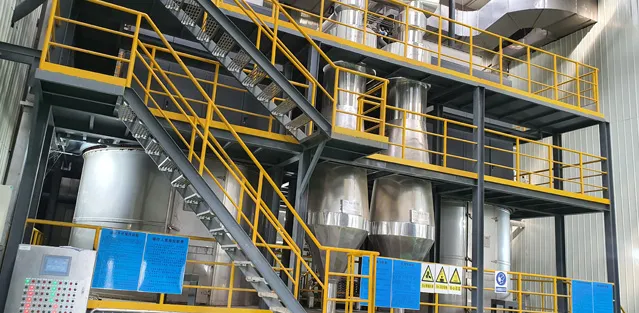
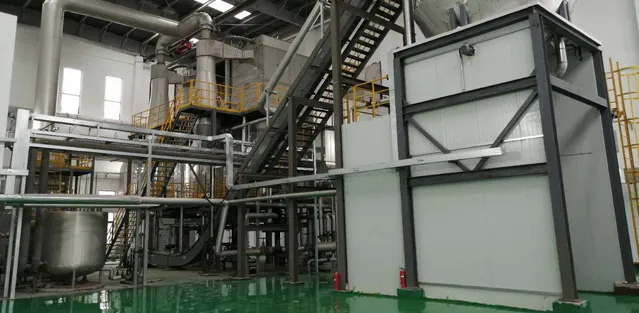
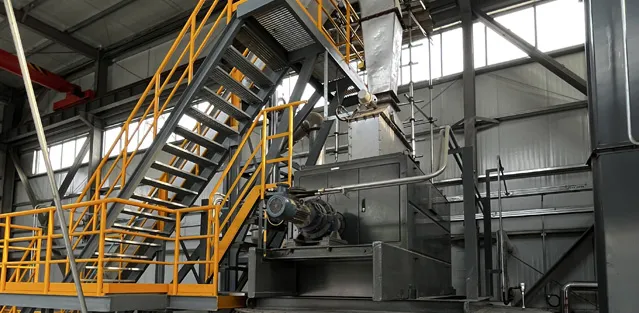
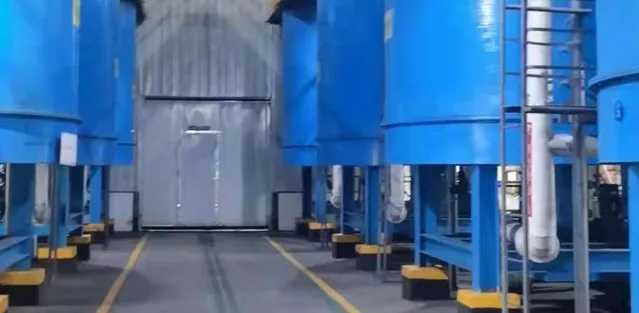
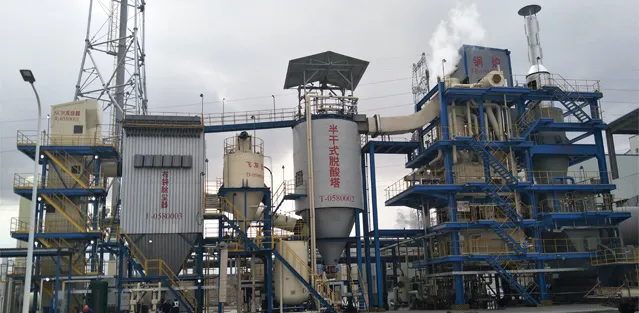
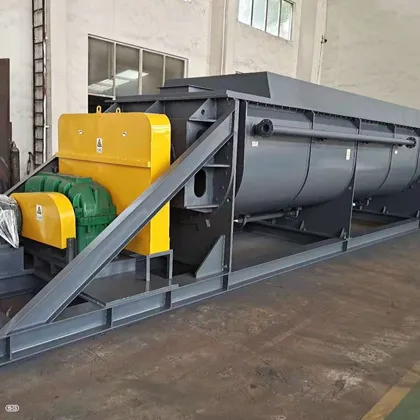
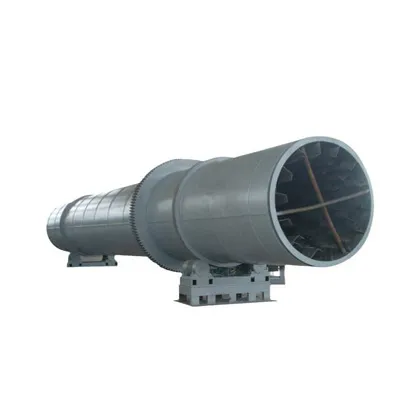
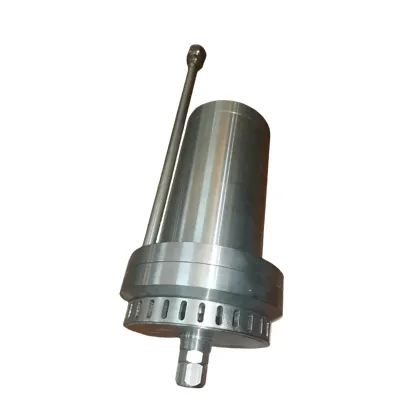
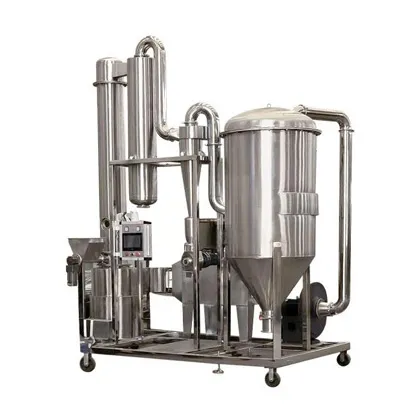
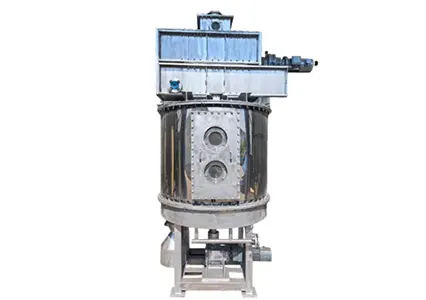
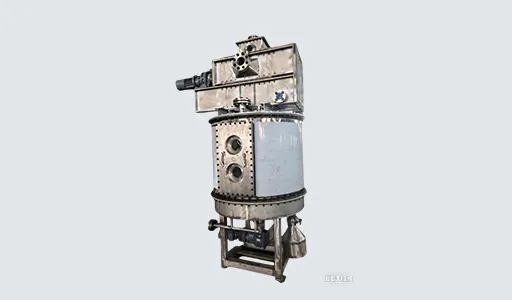
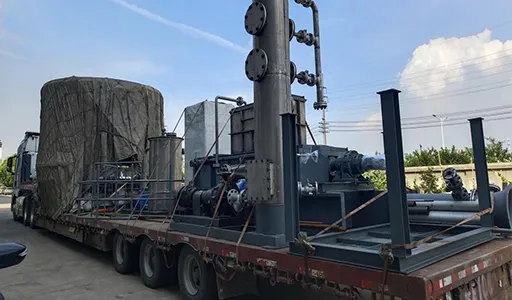

This project processes sludge produced after centrifugal dewatering of slurry from a food waste and kitchen waste treatment system. The initial moisture content of the material is 80%, and the material is in a slurry, paste, or semi-solid state. The biogas sludge is dried through indirect heating to reduce the moisture content to below 40%.
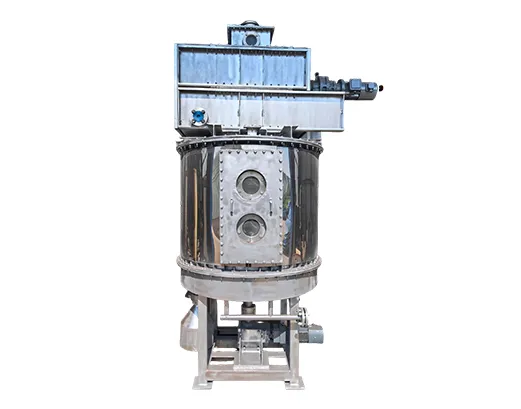
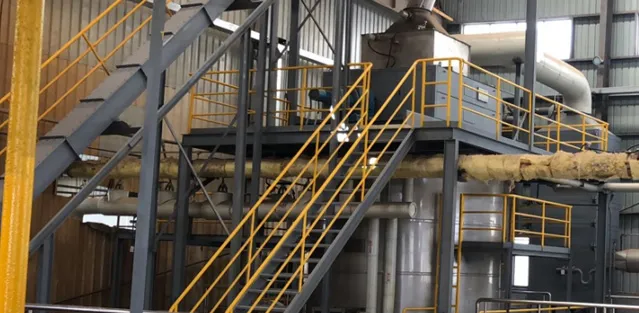
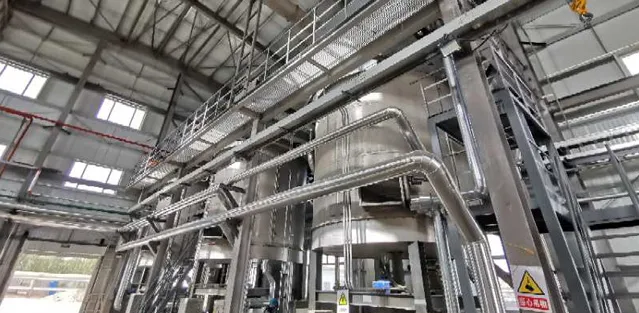
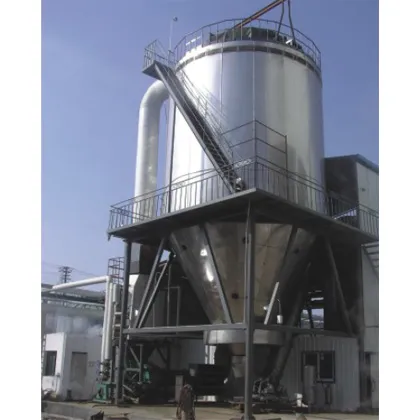
This project has a processing capacity of 100 tons per day. The main equipment occupies an area of 10.5 meters (length) x 5 meters (width) x 10 meters (height). It is used for drying the biogas sludge after centrifugal dewatering in the plant, reducing the moisture content of the sludge from 80% to 40%. An indirect drying process is employed, with the drying heat source being 1.0 MPa saturated steam generated by a boiler system.
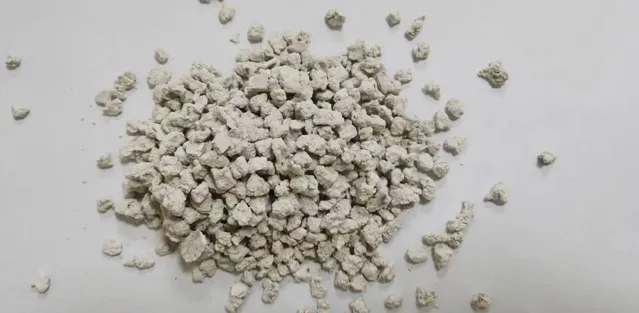
This project involves the drying of 50 tons per day of biological sludge. The biochemical sludge, with a moisture content of 70%, is processed through film granulation and drying to form uniform granules with a moisture content of 25%, resulting in monthly savings of over 100,000 RMB in sludge disposal costs.
This project involves the treatment of penicillin mycelium, a highly viscous material that is easily liquefied, contains sugar and unknown bacterial colonies, and emits a strong odor. The moisture content is reduced from 80% to 13%. We completed the entire process, from equipment supply to commissioning and acceptance testing, within four months, marking a milestone in bioengineering.
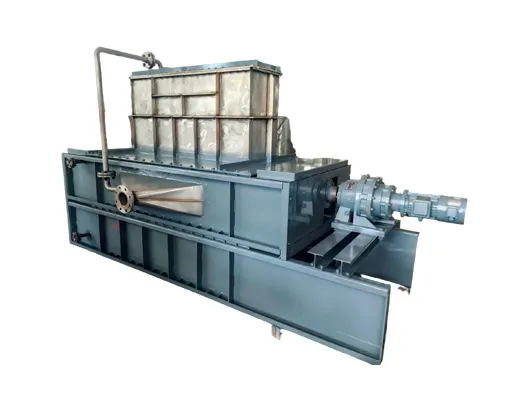
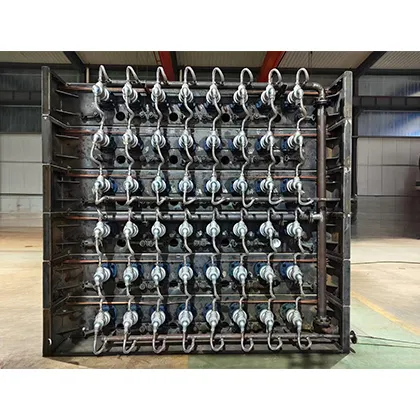
After entering the thin-film granulator, the oily sludge forms hollow granules. The oil is encapsulated inside the granules, and the water is evaporated and removed with the exhaust gas, thus achieving trouble-free drying. The output material is uniform and stable.
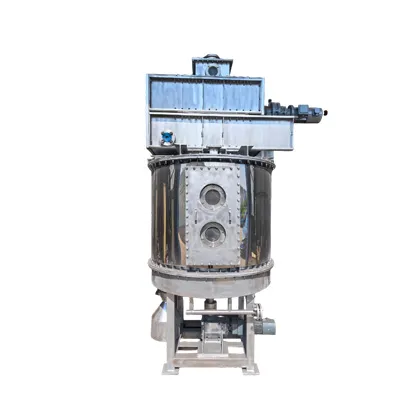
Wet material with a moisture content of 60% is transported to a film granulator. After granulation, the sludge is dried in a disc dryer. The heat source is low-pressure steam at 280℃. The final material has a moisture content of 30%, with stable output and uniform granules.
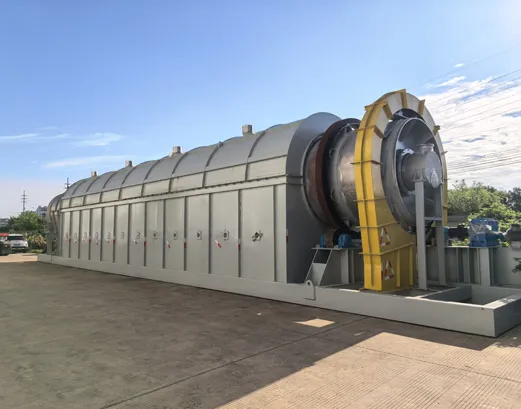
The sludge feed has a moisture content of 82%. After thin-film granulation and drying, it forms granules with a moisture content of 10%. These granules have excellent permeability and a porosity of over 85%. The inherent characteristics of the sludge granules ensure safe and efficient drying during the pyrolysis process within the plant.
The material to be processed is a gelatinous phosphate containing crystal water, which is highly viscous. This project utilizes a vacuum thin-film granulation and drying process. The material is granulated in a thin-film granulator and then dried in a disc dryer, ultimately forming non-sticky, individual particles.
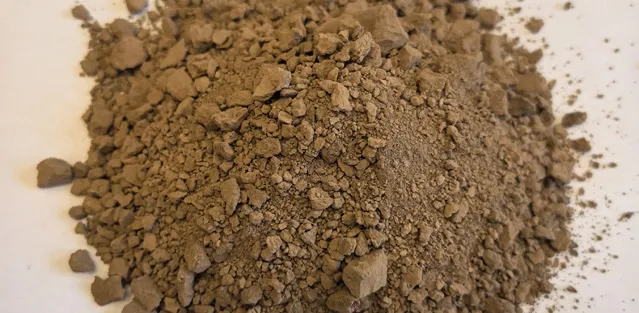
The wet leaching residue is extremely viscous and highly cohesive, with an initial moisture content of 30%. The material is dried using 0.4–0.6 MPa saturated steam, resulting in a final moisture content of 5%. The dried leaching residue is then sent to a smelter for heavy metal recovery.